
Introduction to Knee Pain and Physiotherapy
Knee pain is common and can affect people of all ages. Often, it makes daily tasks hard. Many people look for safe knee exercises to ease pain. Physiotherapy is a trusted way to manage knee pain. In fact, physiotherapy exercises for knee pain can help improve strength and movement. One helpful exercise is wall squats for knee pain. This guide explains how wall squats can help and how to do them safely.
What Are Wall Squats?
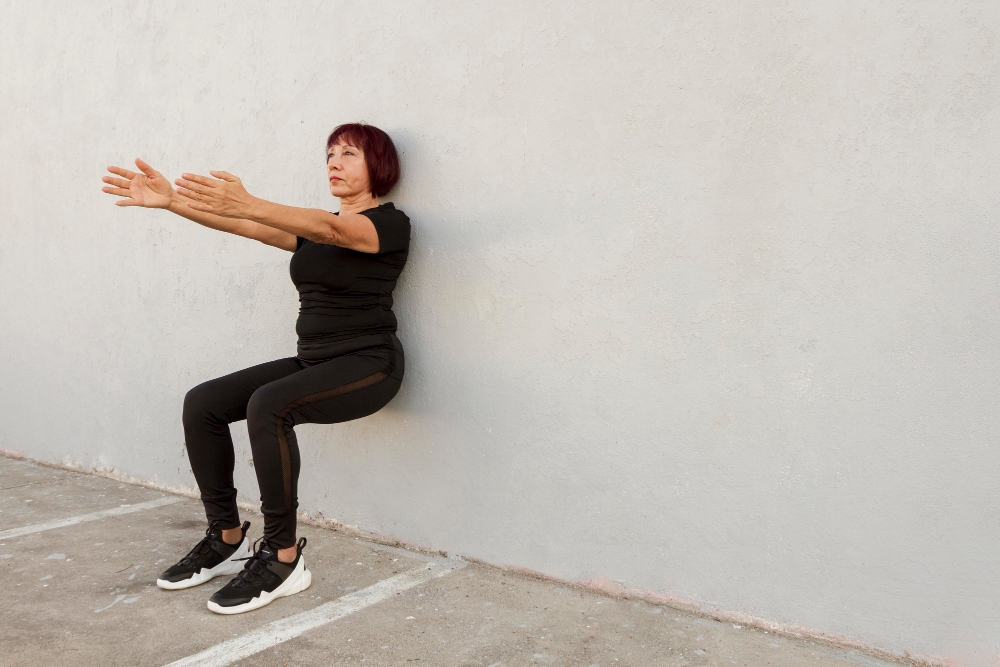
Wall squats are a simple exercise. You use a wall for support while you squat down. Unlike regular squats, wall squats reduce pressure on your knees. Because you lean against the wall, your body weight spreads out more evenly. This makes wall squats a safe choice for people with knee pain. Many physiotherapists recommend wall squats for knee pain as part of a recovery plan.
How Wall Squats Help Knee Pain
Wall squats can help in several ways. First, they strengthen the muscles around your knee. Strong muscles support your knee joint and reduce pain. Second, wall squats improve balance and control. This lowers the risk of falls or further injury. Also, wall squats are gentle on the knees. That means you can build strength without making pain worse. According to physiotherapy research, safe knee exercises like wall squats can speed up recovery.
Step-by-Step Guide: Performing Wall Squats Safely
To get the most benefit, it is important to do wall squats the right way. Follow these steps:
As you get stronger, you can hold the squat longer. However, always listen to your body and stop if you feel pain.
Precautions and Common Mistakes
Wall squats are safe for most people, but you should take care. Here are some tips to avoid problems:
Many people make the mistake of squatting too low. Others may rush the movement. Both can lead to injury. Therefore, always move slowly and with control.
Additional Tips for Knee Pain Relief
Besides wall squats for knee pain, you can try other simple steps to help your knees:
With regular care, many people see improvement in their knee pain.
When to Consult a Physiotherapist
Sometimes, knee pain does not improve with home exercises. In these cases, you should see a physiotherapist. Seek help if:
Physiotherapists can design a plan just for you. They use safe knee exercises and hands-on care to help you recover faster.
For the best results, consult a qualified physiotherapist for personalized knee pain management.