
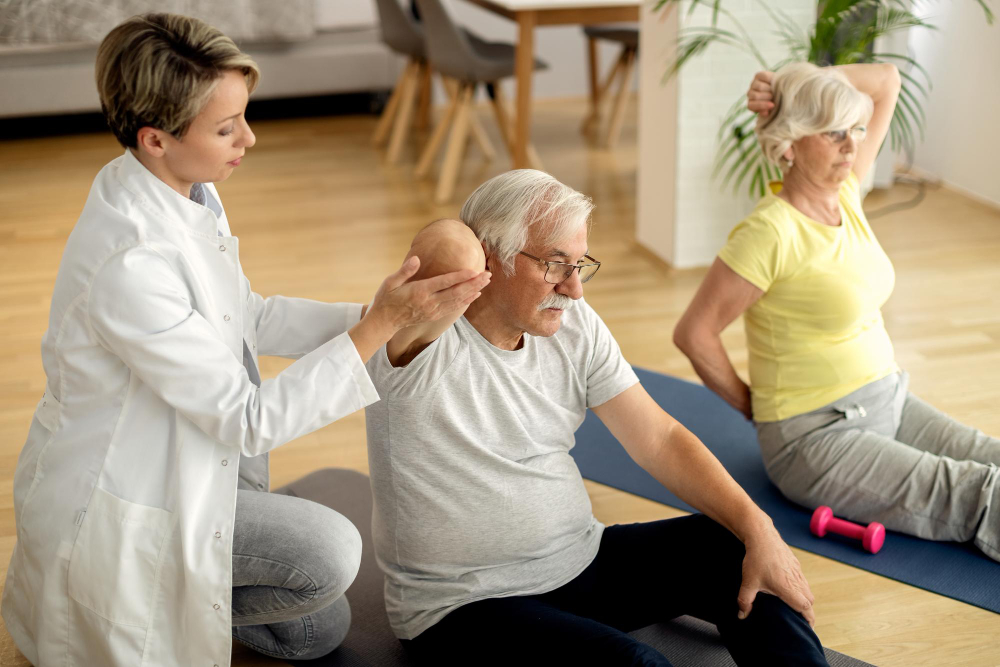
What Is Geriatric Rehabilitation?
Geriatric rehabilitation helps older adults regain strength, movement, and independence. It uses special programs and therapies designed for seniors. In fact, geriatric rehabilitation focuses on improving daily life and health. Many older adults benefit from these services after illness, injury, or surgery. Because aging brings unique challenges, these programs offer support tailored to seniors’ needs.
Common Conditions and Challenges in Older Adults
As people age, they may face health problems that affect their ability to move or care for themselves. Some common conditions include:
Moreover, older adults may struggle with muscle loss, poor balance, or slow healing. These challenges can make daily tasks harder.
Symptoms and Signs Indicating the Need for Rehabilitation
Sometimes, it is not easy to know when an older adult needs help. However, certain signs suggest that geriatric rehabilitation may help. Watch for these symptoms:
When these signs appear, it is wise to seek advice from a healthcare provider. Early support can prevent further decline.
Causes and Risk Factors for Functional Decline in the Elderly
Many factors can lead to a loss of strength or independence in seniors. For example, chronic diseases like diabetes or heart problems can slow recovery. In addition, poor nutrition, lack of exercise, or long hospital stays may weaken muscles. Some risk factors include:
Because these risks add up, it is important to address them early.
Diagnosis and Assessment Methods
Doctors and therapists use several tools to assess an older adult’s needs. First, they review medical history and current symptoms. Next, they may check strength, balance, and walking ability. Sometimes, special tests measure memory or thinking skills. In many cases, a team approach works best. This team may include doctors, nurses, physical therapists, and occupational therapists. Together, they create a plan for geriatric rehabilitation.
Treatment Approaches in Geriatric Rehabilitation
There are many ways to help seniors regain function. Some common geriatric rehabilitation programs include:
Additionally, some seniors benefit from group classes or home-based care. Each plan is tailored to the person’s needs and goals.
Lifestyle Guidance and Home Care Tips
Simple changes at home can make life safer and easier for older adults. Here are some helpful tips:
With these steps, seniors can stay active and independent longer.
Prevention Strategies for Maintaining Mobility and Independence
Preventing problems is just as important as treating them. Therefore, regular check-ups and healthy habits matter. To reduce the risk of decline, try these strategies:
Early action helps seniors keep their independence and enjoy life.
Conclusion
Geriatric rehabilitation can greatly improve quality of life for older adults. With the right support, seniors can regain strength, move safely, and stay active. If you or a loved one needs help, consult a rehabilitation specialist to create a personalized plan for healthy aging.